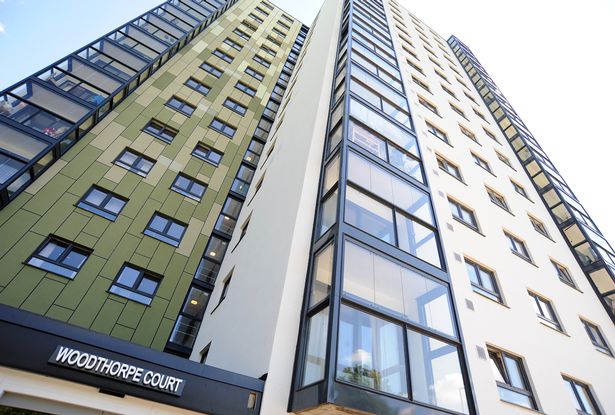
Residential
Structures that hold up. Projects that hold together. We design the engineering behind good homes – from small extensions to full housing schemes – keeping structures safe, buildable and free from unnecessary complexity.
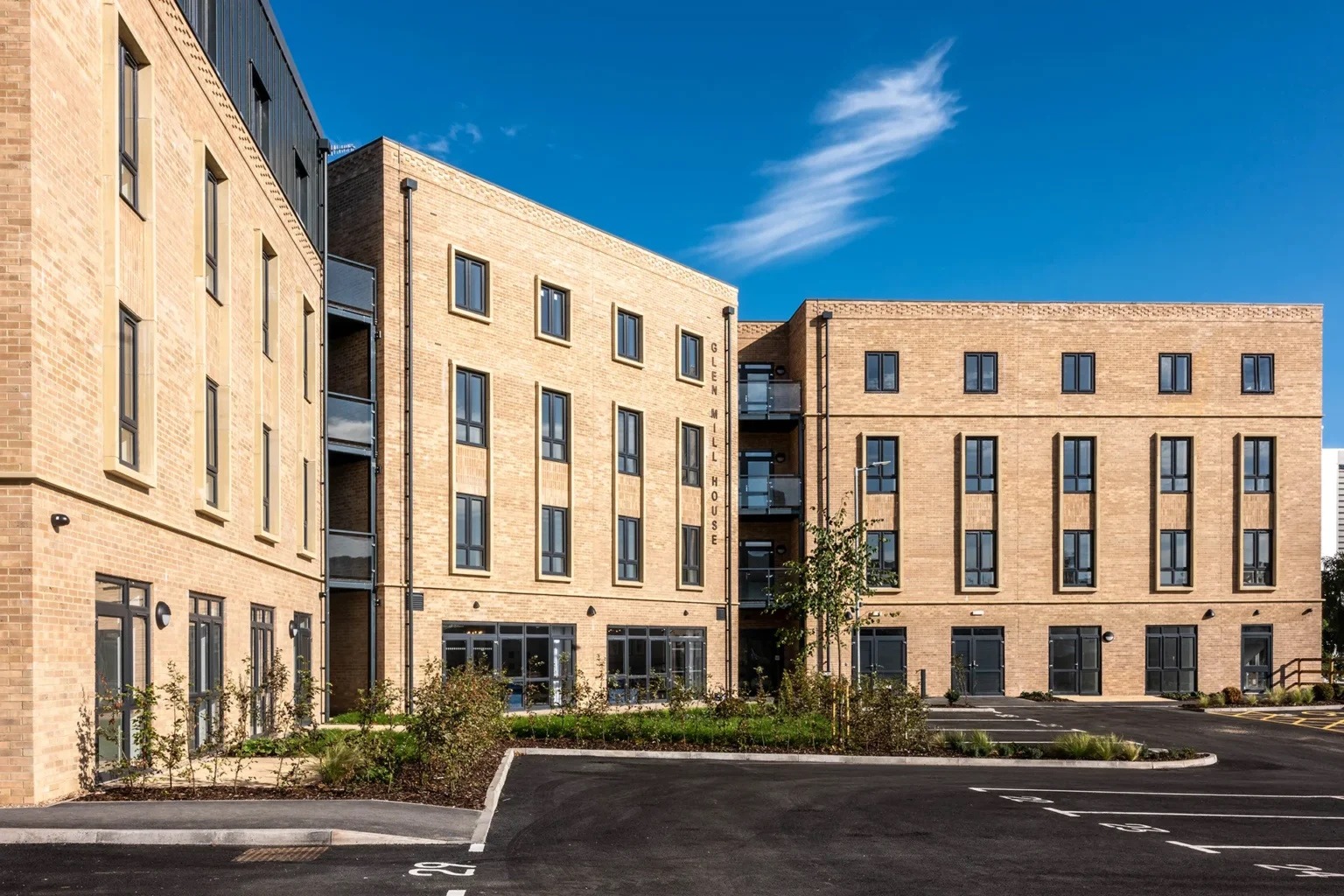
Structures that hold up. Projects that hold together. We design the engineering behind good homes – from small extensions to full housing schemes – keeping structures safe, buildable and free from unnecessary complexity.
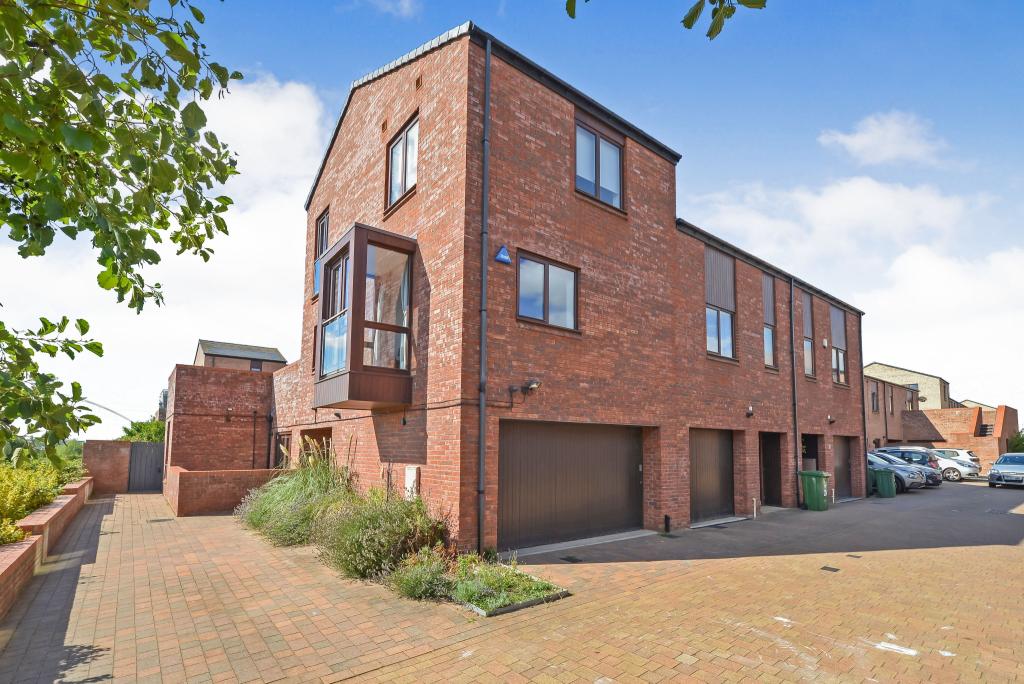
As residential structural engineers, we design the bones of the building – foundations, beams, frames and loadbearing elements – based on a clear understanding of loads, ground conditions, Building Regulations and more.
We work closely with architects to support the design, and with contractors to make sure what’s drawn can be built without constant queries or costly changes. And wherever possible, we get involved early, which helps us spot constraints, shape sensible layouts and head off the expensive surprises that happen when structure and architecture don’t talk to each other.
In short, we make sure the structure fits the project – quietly doing its job, so everyone else can get on with theirs.
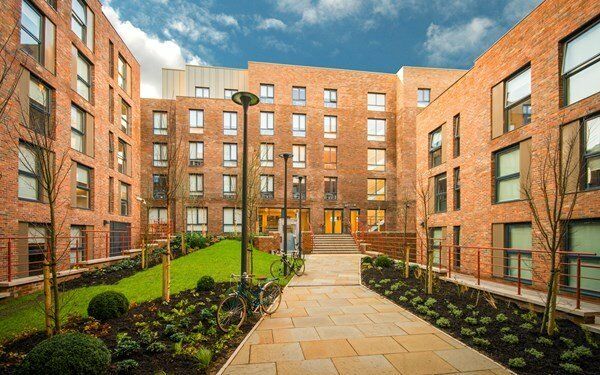
Residential projects come with their own challenges. Tight sites. Party walls. Neighbours. Ground conditions that vary across the plot. Design ideas that evolve as the project develops. Planning constraints. Budget pressures. And people often want it done yesterday. We get it.
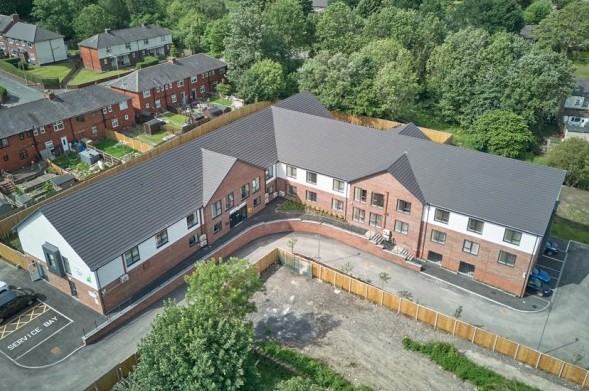
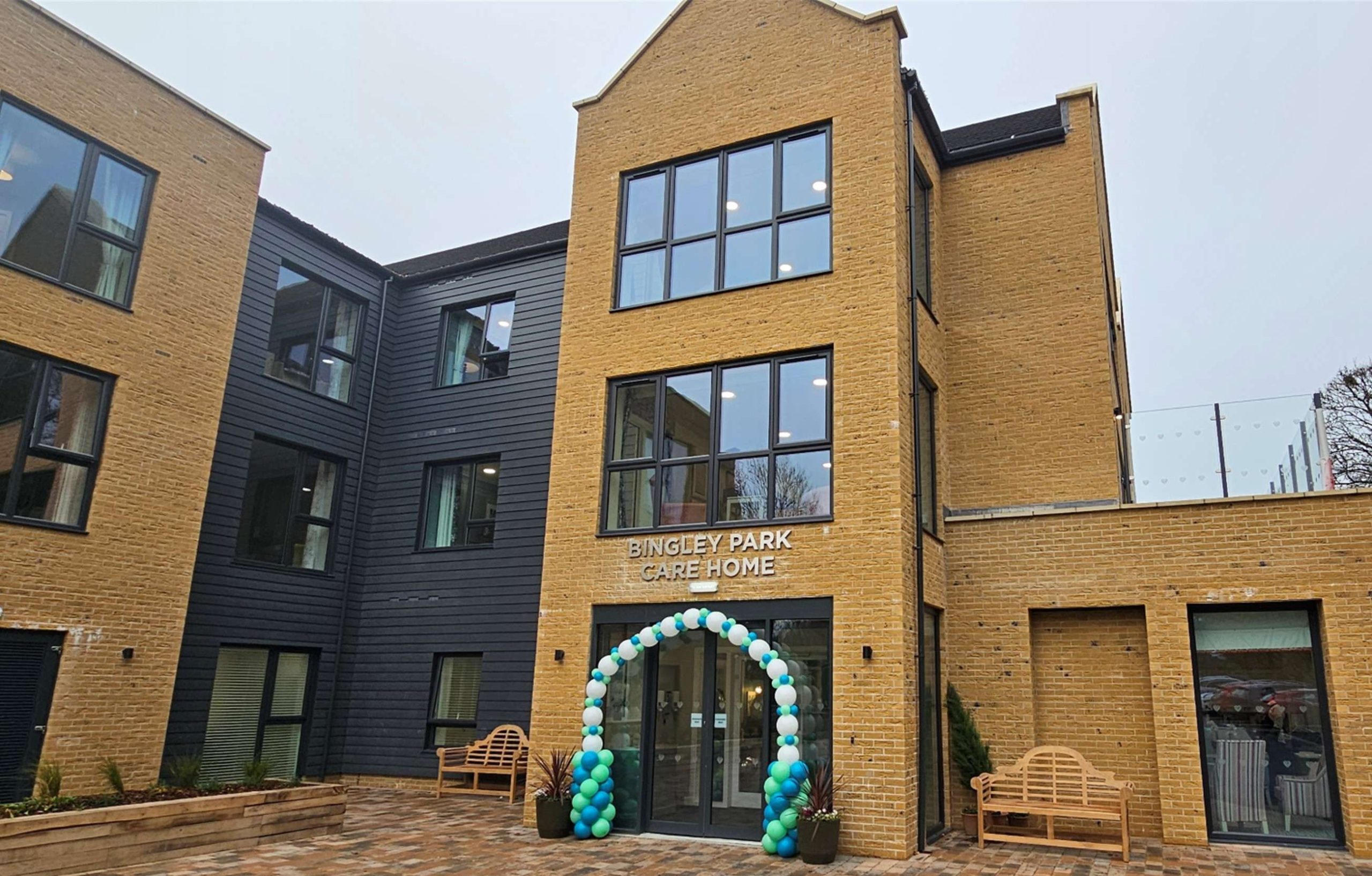
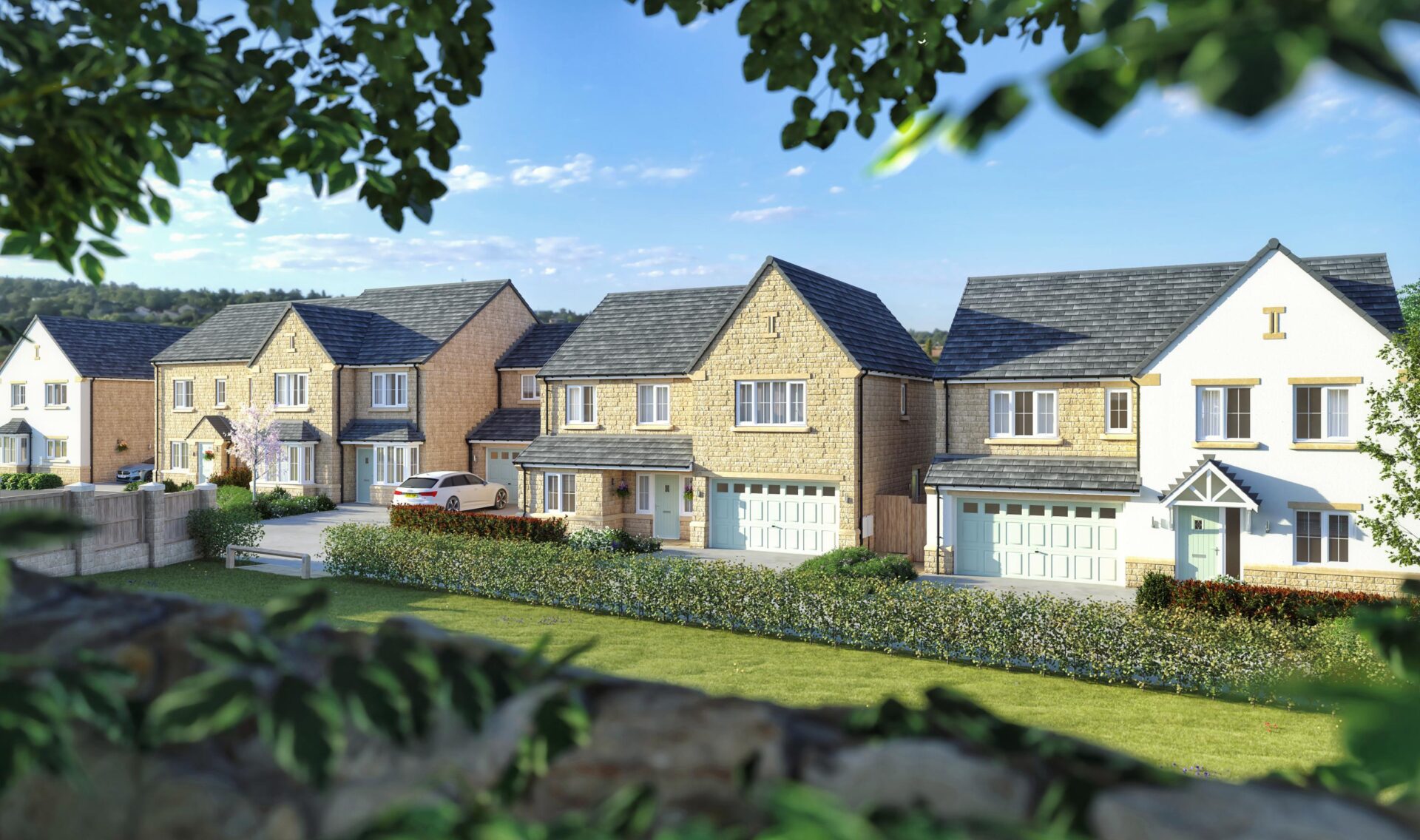
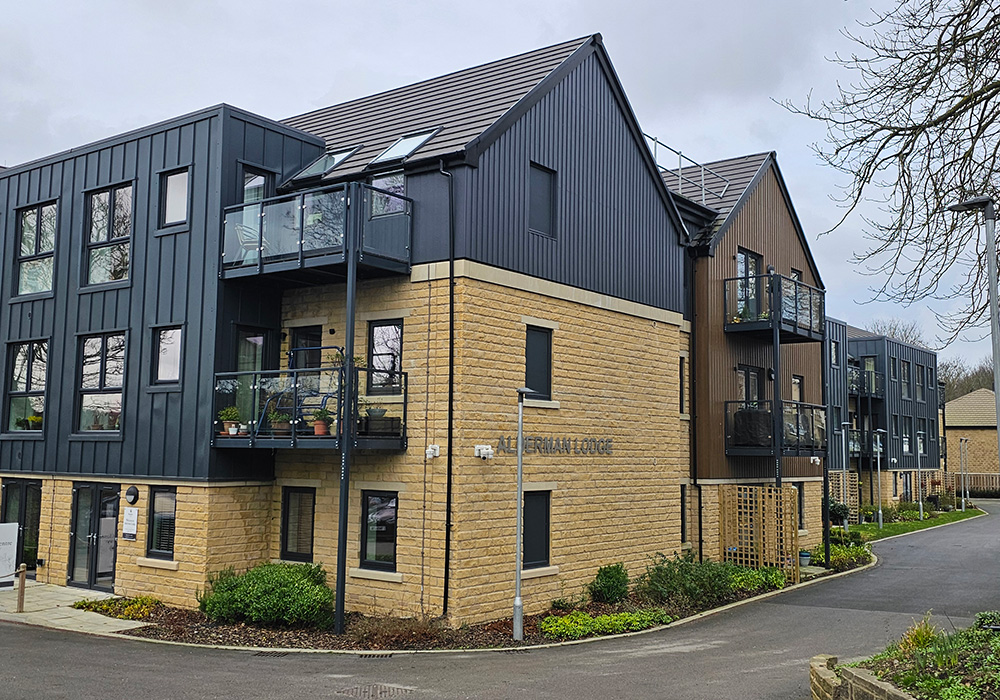
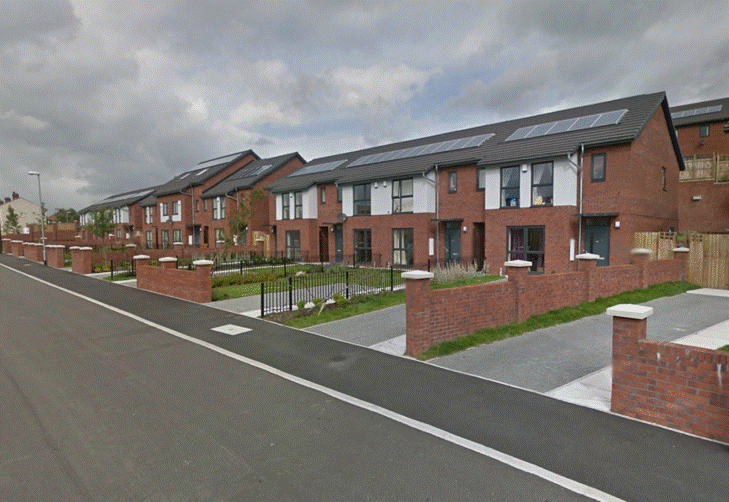
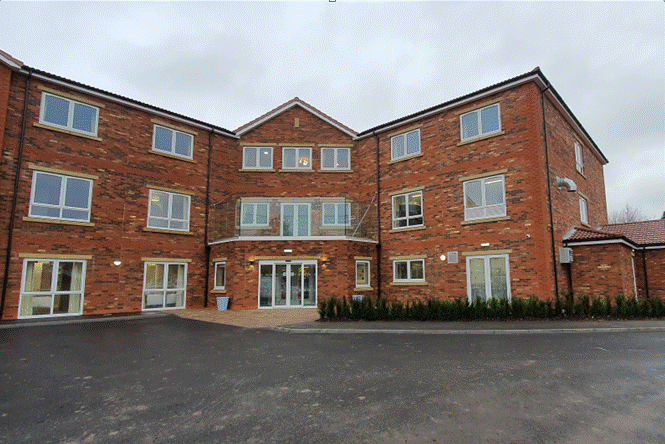
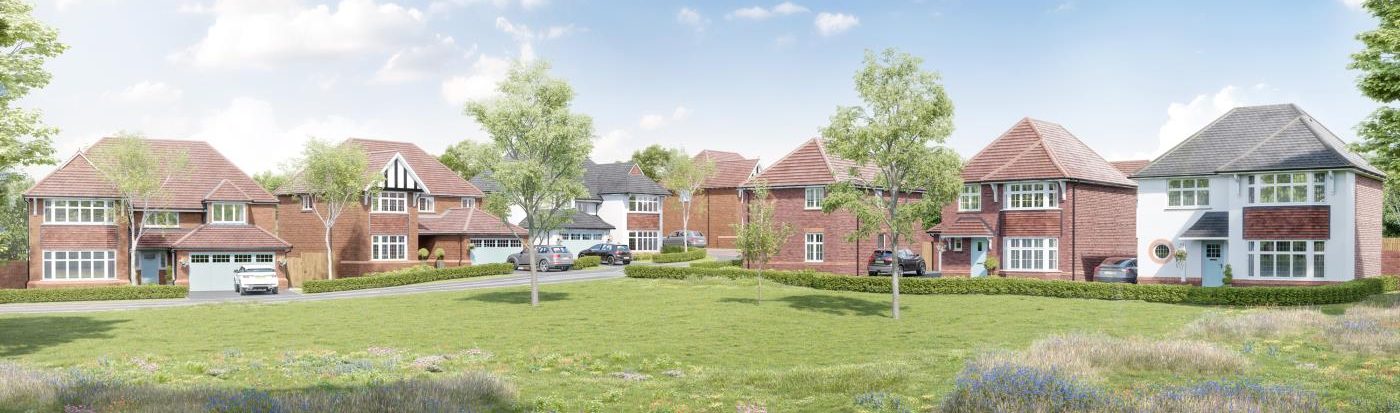
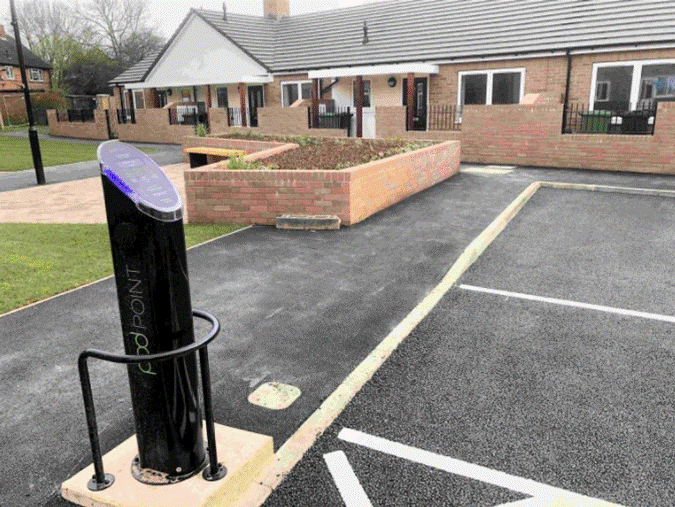
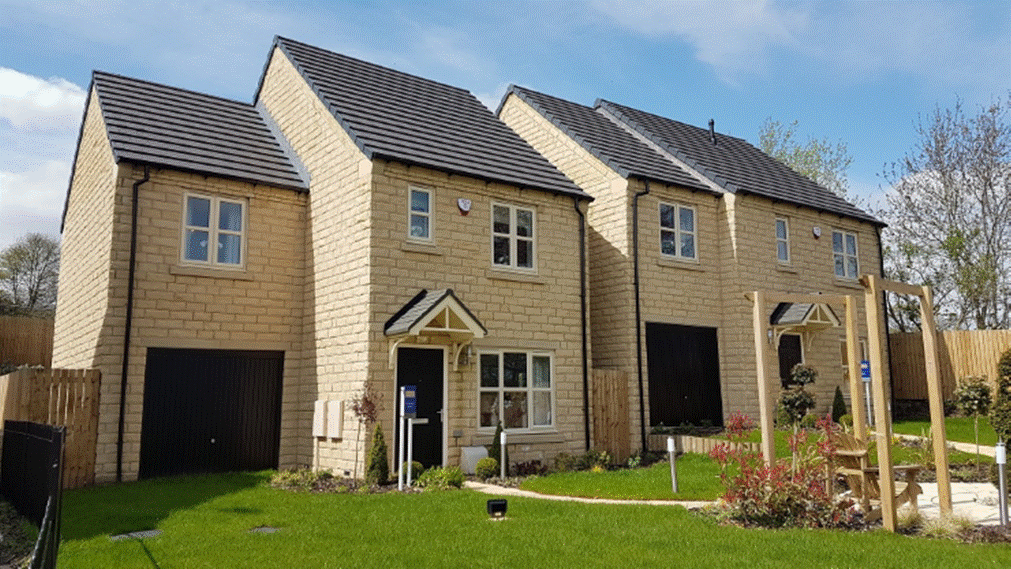
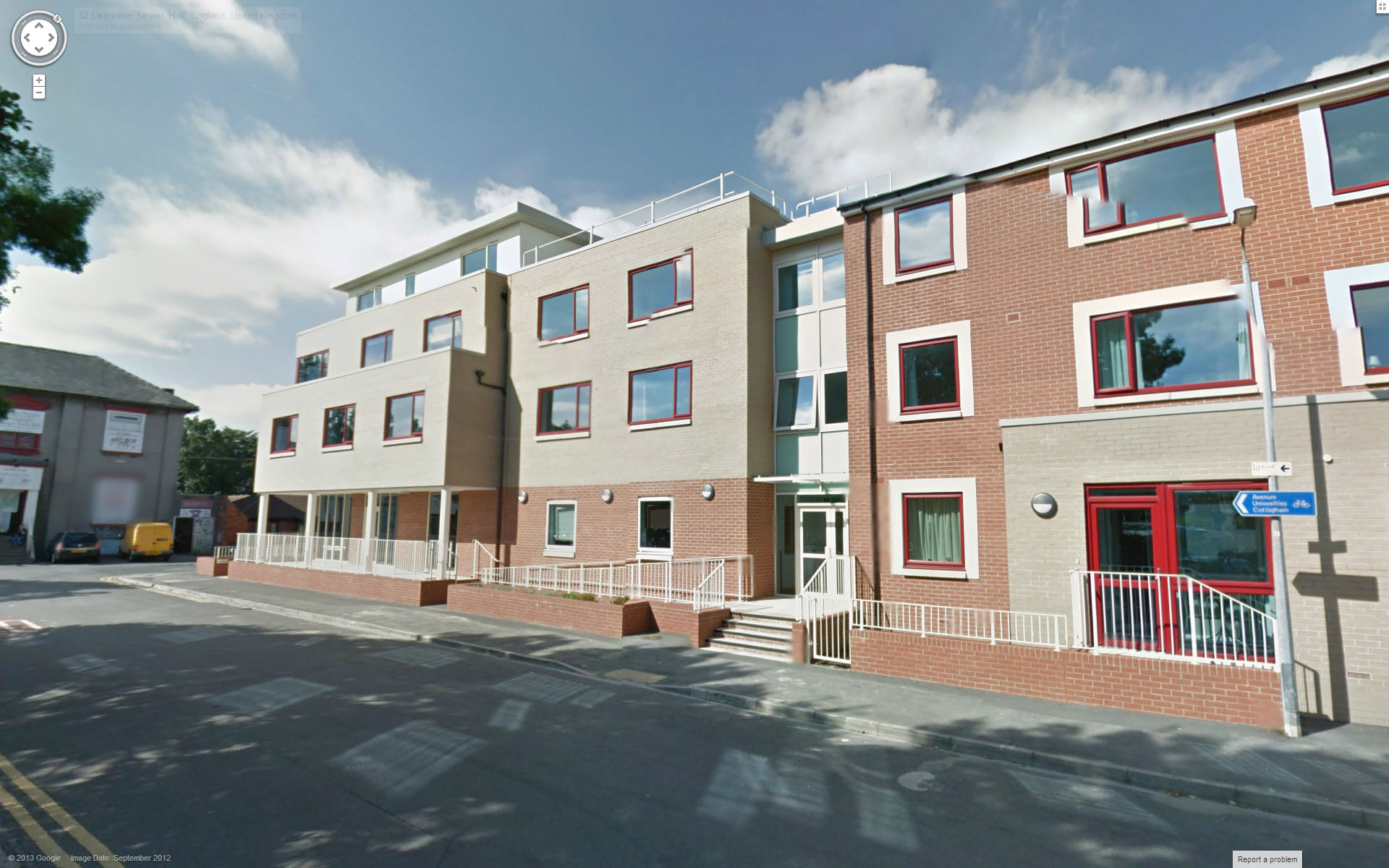
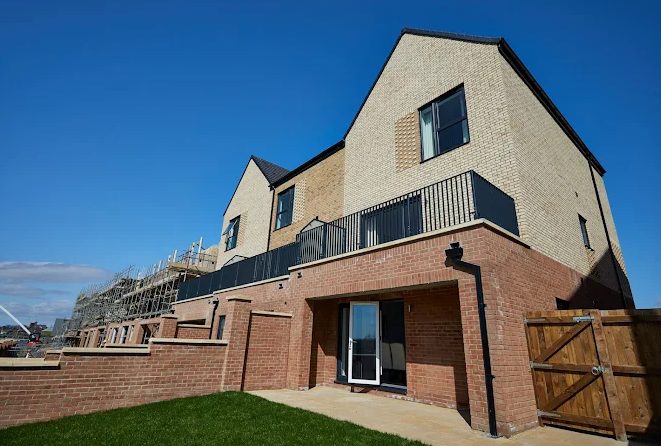
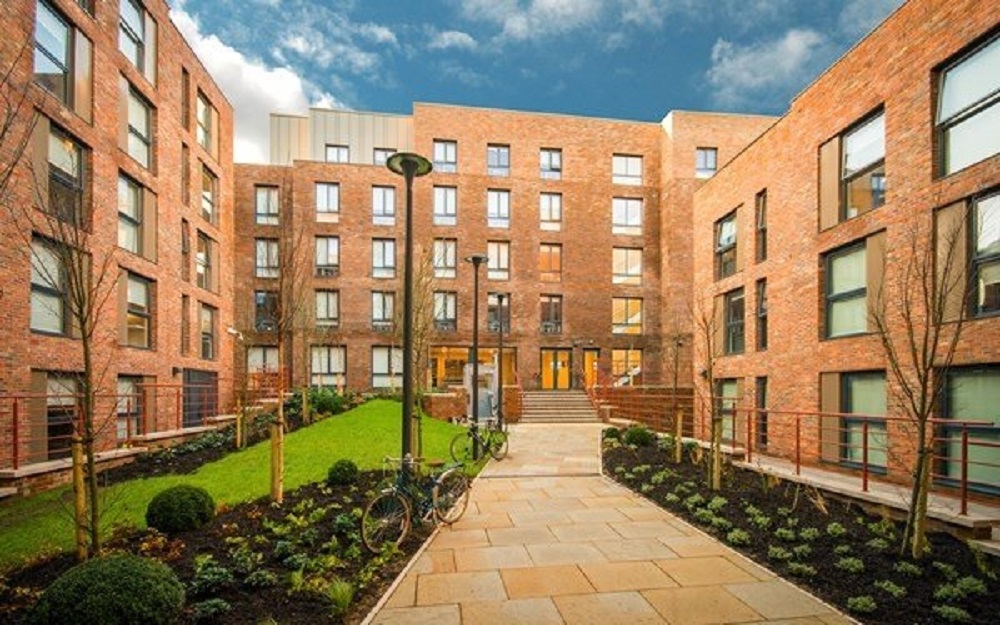
Our experience covers a broad range of residential sectors, including:
Whether you’re adding a kitchen extension or building 200 homes, the structural design needs to work – safely, efficiently and there’s no last-minute panic on site. That’s the approach we take.
Residential projects rarely stand still. Designs change, constraints emerge, and questions crop up once work starts on site. That’s why our involvement doesn’t stop at issuing drawings. We stay engaged through detailed design and construction, responding to contractor queries, reviewing changes and providing clear guidance when decisions need to be made quickly.
Our clients value having experienced engineers at the end of the phone – people who understand the project history and can give straight answers without overcomplicating things.
A residential structural engineer designs and checks the parts of a home that keep it standing up safely. That includes foundations, load-bearing walls, beams, frames and floors. Our role is to make sure the structure carries loads properly, complies with UK standards and works with the design – not against it.
Look for engineers with proven experience in homes and housing developments, an understanding of local ground conditions, and a practical, build-focused approach. At Dudleys, we regularly work with homeowners, architects and developers across Leeds and the wider UK, providing clear advice and sensible designs that work on site.
Fees depend on the scale and complexity of the project. A simple extension will cost less than a multi-unit housing scheme. We provide clear, proportionate fee proposals based on what’s actually required.
In most cases, yes. If you’re removing walls, adding openings, extending the building or altering the roof, a structural engineer is usually required to ensure the work is safe and compliant with Building Regulations.
The earlier, the better. Early involvement allows the structure to be considered alongside the layout and architecture, helping avoid redesign, delays and unexpected costs later on.
Yes. We regularly work from architectural drawings, site surveys and existing information. Where information is missing or unclear, we’ll advise on what’s needed – and keep it proportionate.